ChatGPT Can Now Split One Task Across Several Agents at Once
Quick verdict
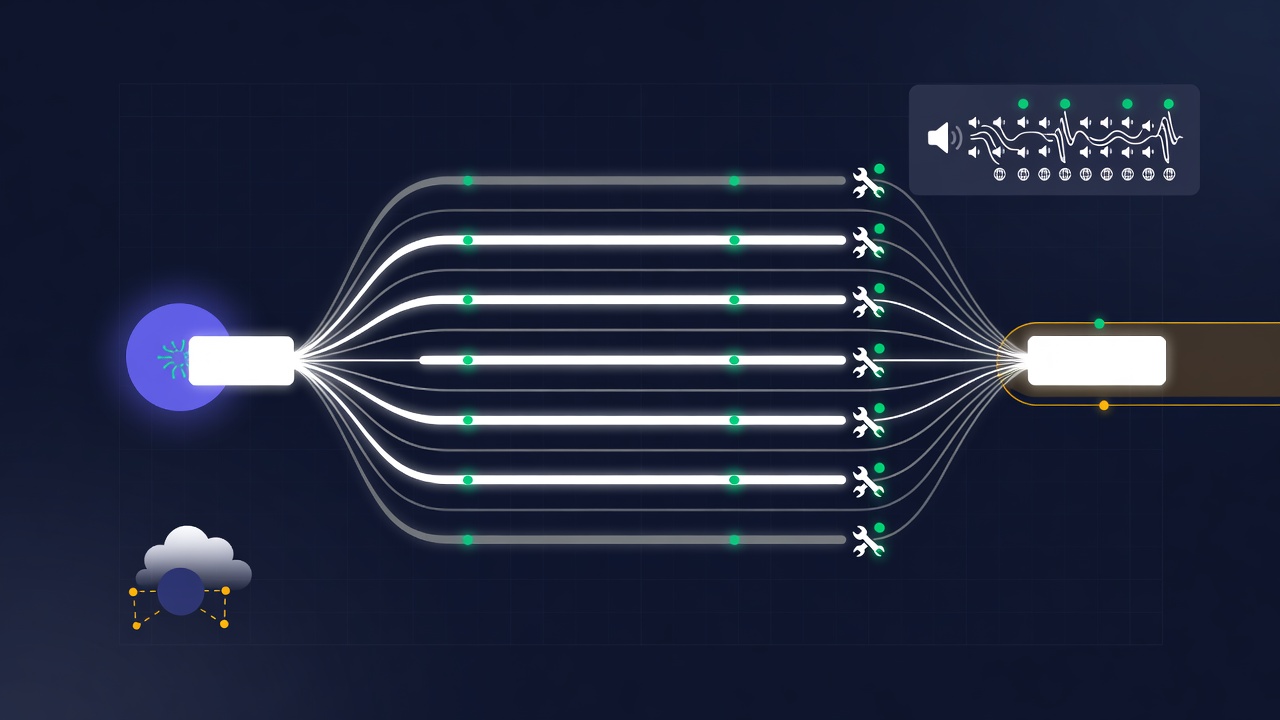
OpenAI moved GPT-6 Astra Pro into ChatGPT and gave it the ability to break a task into pieces and run several agents on those pieces at the same time. For anyone who throws messy, multi-step jobs at ChatGPT, that is the kind of change you feel rather than read about: the model stops working through a task one step at a time and starts dividing it up. The same update improved voice and added nine new presets. None of it is a new model, but the way you use the model you already pay for just shifted.
What actually shipped
The headline change is parallelism inside ChatGPT. GPT-6 Astra Pro now runs multiple agents on parts of a single task at once, with OpenAI pointing to faster responses and better tool use as the payoff. Before this, a complex request moved through the model in sequence, one action after another. Splitting the work means the slow parts no longer block the rest.
- GPT-6 Astra Pro in ChatGPT can now run several agents in parallel on one task
- OpenAI says responses come back faster and tool use is more reliable
- GPT Live 1.1 improved multilingual voice, with nine new presets recorded using native-speaking actors
The voice side is smaller but real. GPT Live 1.1 is an update to the voice layer OpenAI shipped earlier this year, with better handling of languages other than English and a fresh set of presets voiced by actors who actually speak those languages. If you build on the voice API, that is a quality bump rather than a new surface. We covered the first version in our writeup on OpenAI's full-duplex GPT Live voice API.
Why parallel agents matter
Running agents in parallel is the pattern that separates a chatbot from something closer to a coworker. A single agent handling a research-and-draft job reads one source, then the next, then writes. Split that across agents and the reading happens together while a separate thread stitches the result. The clock time drops, and the parts that never needed to run one after another stop making you wait.
There is a catch worth saying out loud: parallel agents are only as good as the coordination between them. DeepMind's four Gemini agents beating Minecraft's Ender Dragon worked because the agents shared memory and talked to each other, and they still died 605 times getting there. The same lesson shows up in research on agent harnesses, where most of the gain comes from how the pieces hand off, not from the raw model. OpenAI putting this in consumer ChatGPT means a lot of people are about to meet both the speed and the rough edges at the same time.
For a sense of where parallel agents already earn their keep, our roundup of the best AI coding agents walks through the tools that lean on this pattern for real work.
Where this fits with GPT-6 Astra
Astra Pro is the stronger tier of the GPT-6 Astra family that OpenAI shipped in September. The launch was a genuine jump on computer-use tasks, though the benchmark picture was messier than the marketing suggested. This ChatGPT update does not change the model's raw ability. It changes how much of that ability you can put to work on one request, which for a lot of users is the part that was actually holding things back.
There is also unconfirmed chatter that Codex has one or two new models on the way. Treat that as a rumor until OpenAI says otherwise; it was speculation in a tweet, not an announcement. If you are weighing Codex against the alternatives today, our Claude Code vs Cursor vs Codex breakdown has the current state of play.
Video: GPT-6 in ChatGPT
A walkthrough of the GPT-6 models now inside ChatGPT and when each one is the right pick.
Why it matters
For paying ChatGPT users, this is a quiet but useful upgrade. The jobs that felt slow because the model plodded through them step by step should now come back faster, and tool use that used to stall mid-task has a better shot at finishing. You do not have to switch models or learn anything new; the task handling underneath just got wider. If you run work across several AI tools rather than betting on one, this is one more reason to keep testing them side by side rather than committing to a single subscription. Our guide to the best app for running multiple AI models covers how to do that without paying for all of them.
FAQ
What does "parallel agents" actually mean in ChatGPT?
It means GPT-6 Astra Pro can break one request into parts and work on several of them at the same time instead of handling everything in sequence. OpenAI says the result is faster responses and more reliable tool use. You do not have to turn anything on; it applies to how Astra Pro handles complex tasks.
Is this a new model?
No. GPT-6 Astra Pro launched in September. This update changes how ChatGPT uses the model on multi-step tasks, not the model itself. See our GPT-6 Astra launch breakdown for what the model can and cannot do.
What changed with voice?
GPT Live 1.1 improved multilingual voice and added nine new presets recorded with native-speaking actors. It is a quality update to the existing voice API, not a new product.
Sources
- @OpenAI - GPT-6 Astra Pro runs multiple agents on parts of a task in parallel
- @OpenAIDevs - nine new GPT Live presets recorded with native-speaking actors
- @reach_vb - GPT Live 1.1 multilingual voice improvements
- @kimmonismus - unconfirmed speculation about new Codex models
Further reading
Try all the models mentioned in this article
Admix gives you GPT-5, Claude, Gemini, and 350+ AI models in one app. Compare responses side by side. Try it for 7 days for $1.99.
Try Admix for $1.99